If you run a local business — whether it’s a med spa, HVAC company, law firm, dental clinic, or contractor — you’ve likely received a call that sounds something like this:
“Your business is not registered for voice search.”
“You’re not optimized for Alexa or Google Assistant.”
“You need to activate your AI search listing.”
Let’s make this clear immediately:
There is no official “Voice Search Registry.”
And there is no secret AI database your business must register with.
These calls are designed to exploit confusion around emerging technologies like voice search and AI assistants.
The real issue isn’t registration.
The real issue is structured search visibility.
In 2026, voice search and AI search optimization are extensions of traditional SEO — not replacements for it.
Let’s break down what’s real, what’s a scam, and what actually works.
How Voice Search Actually Works

When someone says:
“Hey Google, who does Botox in Tampa?”
“Alexa, find HVAC repair near me.”
“Siri, what’s the best med spa in Manhattan?”
Voice assistants do not pull from a separate voice directory.
They pull from:
- Google Search index
- Google Business Profiles
- Featured snippets
- Structured FAQ sections
- Schema markup
- High-authority local pages
Voice search is powered by search engine results.
If your business ranks well in Google’s traditional search results and is properly structured, you are already eligible for voice results.
No registry required.
Why “Voice Search Registration” Is a Red Flag
Scammers rely on urgency and confusion.
They use technical-sounding phrases like:
- “Voice indexing activation”
- “Alexa database submission”
- “AI voice listing compliance”
In reality, they typically:
- Submit your business to low-value directories
- Charge for generic citations
- Do no technical website work
- Provide no structural improvements
Before paying anyone claiming voice search optimization, ask:
- Are you implementing structured schema on my website?
- Are you optimizing FAQ content for featured snippets?
- Are you improving page speed?
- Are you enhancing my Google Business Profile?
If the answer is vague, walk away.
Real optimization requires real implementation.
What Actually Makes a Business Visible in Voice Search
Voice search prioritizes clarity, structure, and authority.
To appear in voice results, your website must:
- Answer direct questions clearly
- Use conversational language
- Contain structured FAQ sections
- Load quickly on mobile
- Include proper schema markup
- Maintain strong local SEO signals
Voice queries are longer and more conversational.
Instead of typing:
“Med spa Tampa”
Users ask:
“What is the best med spa in Tampa for lip fillers?”
Your content should mirror that behavior.
Structuring Website Content for Voice & AI
Voice and AI systems prioritize extractable answers.
To optimize your content:
1. Use Question-Based Headings
Instead of generic headers like:
“Botox Services”
Use:
“What Is Botox and How Does It Work?”
This improves snippet eligibility.
2. Provide Direct Answer Paragraphs
Immediately below the heading, include a concise 40–60 word answer.
Example:
“Botox is a non-surgical cosmetic treatment that temporarily relaxes facial muscles to reduce wrinkles and fine lines. It is commonly used for forehead lines, crow’s feet, and frown lines.”
Voice assistants pull short, structured responses like this.
3. Implement FAQ Schema
Adding FAQ schema helps search engines interpret your Q&A format clearly.
This increases eligibility for:
- Featured snippets
- Rich results
- Voice extraction
But remember — schema enhances structure. It doesn’t replace strong content.
AI SEO: Optimizing for AI Assistants & Generative Search
Search in 2026 is no longer limited to traditional SERPs.
Users now interact with:
- Google AI-powered results
- ChatGPT-style assistants
- Perplexity AI
- Microsoft Copilot
- Voice-enabled devices
AI search works differently from classic search.
It relies heavily on:
- Entity recognition
- Semantic relationships
- Structured data
- Topical authority
- Source credibility
To optimize for AI search, businesses must go beyond keywords.
Entity-Based SEO: The Foundation of AI Visibility
Modern search engines understand topics as entities.
For example, “Botox” connects to:
- Neuromodulator
- Cosmetic treatment
- FDA approval
- Aesthetic medicine
- Specific providers
If your website explains services contextually — not just transactionally — you strengthen entity recognition.
To improve entity-based SEO:
- Define terms clearly
- Link related services internally
- Use medically accurate terminology
- Build topic clusters around treatments
AI systems reward semantic depth.
Schema Markup for AI Optimization
Schema markup is critical for AI readability.
The most important schema types include:
LocalBusiness Schema
Defines:
- Business name
- Address
- Phone
- Service area
- Geo-coordinates
FAQ Schema
Structures Q&A sections.
Service Schema
Defines specific services offered.
MedicalBusiness Schema
Enhances relevance for med spas and clinics.
Organization Schema
Clarifies brand identity.
Speakable Schema (Advanced)
Identifies content sections suitable for voice playback.
Schema improves machine understanding.
But schema without structured content does nothing.
Optimizing for AI Crawlers
AI search tools often pull from publicly accessible, well-structured web content.
To ensure AI crawlability:
- Use clean HTML structure
- Maintain XML sitemaps
- Avoid heavy JavaScript-only content
- Ensure mobile usability
- Maintain proper canonical tags
- Remove duplicate content
AI systems prefer:
- Clear headings
- Bullet lists
- Defined sections
- Transparent authorship
- Trust signals
If your site is messy, AI systems skip it.
Building AI-Ready Content Clusters
To rank in AI-powered search, build topic clusters.
For example:
Pillar Page:
“Complete Guide to Botox Treatments in Tampa”
Supporting Pages:
- Botox vs Dermal Fillers
- Botox Safety & Side Effects
- How Long Botox Lasts
- Cost of Botox in Tampa
- Aftercare Instructions
Internal linking between these strengthens authority.
AI systems recognize comprehensive topical coverage.
Thin content doesn’t perform.
Technical Optimization Still Matters
AI visibility does not replace technical SEO.
Core Web Vitals remain critical.
AI and voice systems prefer:
- Fast loading speed
- Secure HTTPS
- Structured navigation
- Crawlable site architecture
- Clear URL hierarchy
Technical health increases eligibility across all search environments.
The Real Solution to “Voice & AI Optimization”
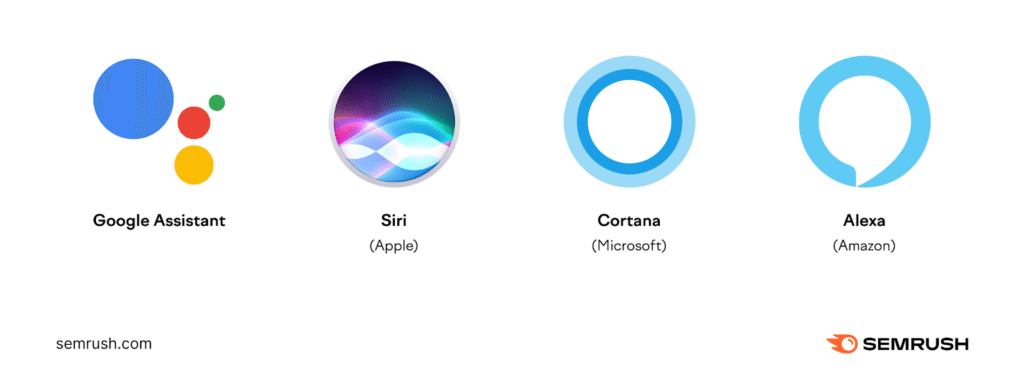
If a business wants to be found in:
- Voice search
- AI-powered results
- Google Assistant
- Chat-based search
The solution is:
- Strong local SEO
- Structured, question-based content
- Proper schema implementation
- Topical authority clusters
- Technical stability
- Consistent NAP data
- Google Business Profile optimization
There is no registration shortcut.
Only structured optimization.
Protecting Your Business from AI & Voice Scams
If you receive calls claiming:
“You’re not optimized for AI.”
“You’re not voice indexed.”
Ask for:
- Technical documentation of schema being added
- Specific on-page changes
- Crawl analysis report
- Structured content recommendations
- Proof of site modifications
If they can’t explain the technical work clearly, they’re not providing real optimization.
Scammers sell fear.
Professionals sell systems.
The Future of Search in 2026 and Beyond
Search is becoming:
- Conversational
- Contextual
- AI-assisted
- Entity-driven
- Structured-data dependent
Businesses that invest in structured digital authority will thrive.
Those chasing shortcuts will struggle.
Voice search, AI assistants, and generative search do not replace SEO.
They amplify it.
If your website is structured properly, technically optimized, semantically rich, and authority-driven — you are already positioned for the future.
No registry required.
Just real strategy.