In 2026, high-ticket contractors are no longer competing on craftsmanship alone — they are competing on clarity. The companies winning in competitive markets like Southern California, Orange County, New Jersey, and parts of New York aren’t just better builders. They have better digital structure.
If you’re a contractor charging premium pricing — whether for full-home renovations, luxury landscaping, custom stonework, or solar installations — your website must reflect that level of professionalism. A generic “Services” page and a contact form are no longer enough.
High-ticket contractors need infrastructure, not brochures.
The Core Mistake Most Contractors Still Make
Most contractor websites are built like this:
Home
About
Services
Gallery
Contact

Under “Services,” you’ll see 8–12 bullet points.
Kitchen remodeling
Bathroom renovation
Landscaping
Driveways
Outdoor patios
Each with 200–300 words.
In 2026, that structure does not compete — especially in markets like Orange County or North Jersey.
Google doesn’t rank vague generalists.
It ranks clear specialists.
And homeowners searching for $25,000–$150,000 projects expect precision.
Example: Luxury Travertine Stone Landscaping
Let’s take one high-ticket example.
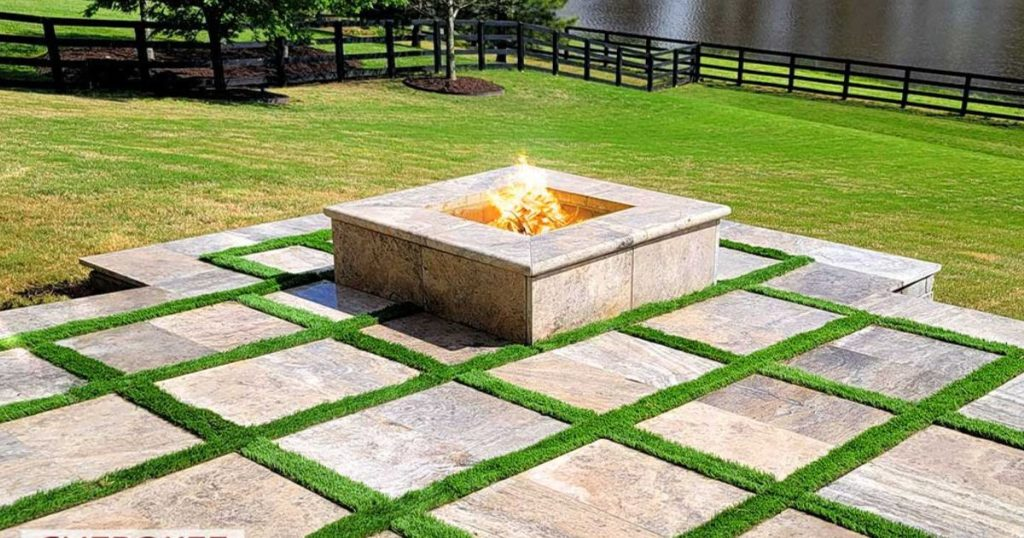
A contractor in Orange County installs premium outdoor living spaces using travertine stone. These projects can range from $30,000 to $120,000+ depending on scope.
Most contractors will list this under:
“Landscaping Services.”
That’s a mistake.
A properly structured high-ticket page should include:
- Dedicated page for “Travertine Stone Landscaping in Orange County”
- Clear explanation of why travertine is used (heat resistance, durability, aesthetics)
- Comparison vs pavers or concrete
- Before-and-after project photos
- FAQ about maintenance and cost
- Local references (Irvine, Newport Beach, Laguna Niguel)
- Internal links to outdoor kitchens, pool decks, patios
Why?
Because homeowners searching for:
“Travertine patio installation OC”
“Luxury stone landscaping Newport Beach”
“Best stone contractor Irvine”
are not browsing.
They are selecting.
When your site has a dedicated, structured page targeting that service, you move from general contractor to specialist.
That positioning justifies premium pricing.
High-Ticket Contractors Must Think in Service Silos
Whether you’re a remodeler, electrician, solar installer, or luxury landscaper, your website should reflect:
Depth, not breadth.
For example:
Remodeling Companies
Instead of:
“Home Renovation Services”
You need:
- Kitchen remodeling
- Luxury bathroom renovation
- ADU construction
- Whole-home remodels
- Structural upgrades
- Custom cabinetry
Each service should stand independently with depth.
Solar Installers
Instead of:
“Solar Installation”
You need:
- Residential solar panel installation
- Commercial solar solutions
- Battery storage systems
- EV charger integration
- Solar tax credit information (California-specific)
Each deserves dedicated attention.
Electrical Contractors
Instead of:
“Electrical Services”
You need:
- Panel upgrades
- EV charger installation
- Whole-home rewiring
- Commercial electrical work
- Smart home integration
High-ticket clients want reassurance, not summaries.
Why Structure Impacts Ranking (and Revenue)
Google evaluates:
- Topical authority
- Internal linking relationships
- Service clarity
- User engagement
- Local relevance
If your travertine stone service is buried under a generic landscaping page, Google has less reason to rank you for stone-specific searches.
But when it’s:
- Clearly defined
- Locally contextualized
- Internally reinforced
- Supported by related services
Your site signals expertise.
And expertise converts.
Conversion Architecture Matters More Than Ever
High-ticket contractors don’t just need rankings.
They need qualified leads.
Your page structure should include:
- Clear H1 aligned with service
- Supporting H2 sections that answer buyer questions
- Before/after visuals
- Trust signals (reviews, years in business)
- Simple CTA placement
- Mobile-first formatting
Over 60% of contractor searches now happen on mobile devices.
If your page feels cluttered, slow, or vague on mobile, you lose the homeowner before they scroll.
Premium service requires premium presentation.
Local Signals Must Be Embedded Naturally
For contractors in:
- Orange County
- Los Angeles County
- North Jersey
- Westchester County
- NYC boroughs
You must embed local context into service pages.
Not through keyword stuffing.
But through natural mentions of:
- Service areas
- Permits and regulations
- Local material considerations
- Climate relevance (e.g., SoCal heat impact on stone, NJ freeze cycles on masonry)
This builds credibility with both Google and homeowners.
The 4-Part Structure High-Ticket Contractors Should Follow
- Technical Foundation
- Fast load speed
- Clean URL structure
- Proper schema
- No indexing errors
- Dedicated Service Pages
- Depth per service
- Local context
- Visual proof
- Clear internal linking
- Google Business Alignment
- Category accuracy
- Service mapping
- Review strategy
- Location consistency
- Authority Expansion
- Supporting blogs
- Cost guides
- FAQ clusters
- Project case highlights
This isn’t optional in competitive markets.
It’s the baseline.
High-Ticket Markets Require Higher Standards
In Orange County or affluent New Jersey suburbs, homeowners comparing contractors online are evaluating:
- Professionalism
- Specialization
- Trustworthiness
- Clarity
- Digital maturity
If your website looks like every other contractor template, you compete on price.
If your website is structured, specialized, and authoritative, you compete on value.
And value sustains growth.
Final Takeaway
In 2026, high-ticket contractors don’t win because they “have SEO.”
They win because their digital presence mirrors the quality of their projects.
From travertine stone landscaping to luxury kitchen renovations, from solar panel installations to structural electrical upgrades — depth, clarity, and structured architecture determine visibility.
The contractors who understand this shift will continue to scale.
The ones who treat their website like a checklist item will continue to wonder why competitors outrank them.
Structure isn’t just about ranking.
It’s about positioning.