For contractors and home service businesses, generating consistent leads is often the difference between steady growth and unpredictable revenue. Many companies rely on word-of-mouth referrals or seasonal demand, but in today’s competitive markets, online visibility has become essential.
Two of the most common strategies contractors consider are Search Engine Optimization (SEO) and Google Ads (Pay-Per-Click advertising). Both approaches can generate leads, but they operate in very different ways. Understanding the strengths and limitations of each method helps contractors make smarter marketing decisions.
Industries such as HVAC, landscaping, roofing, electrical services, solar installation, remodeling, and home improvement often face intense competition online. In major regions like Southern California, New York, Tampa, and other growing metropolitan areas, contractors are constantly looking for reliable ways to reach homeowners searching for their services.
The key question many business owners ask is: Which strategy produces better long-term results — SEO or Google Ads?
The answer is not always simple. Each method serves a different role in a contractor’s marketing strategy, and the most effective approach often depends on business goals, timeline, and budget.
Understanding How Google Ads Works
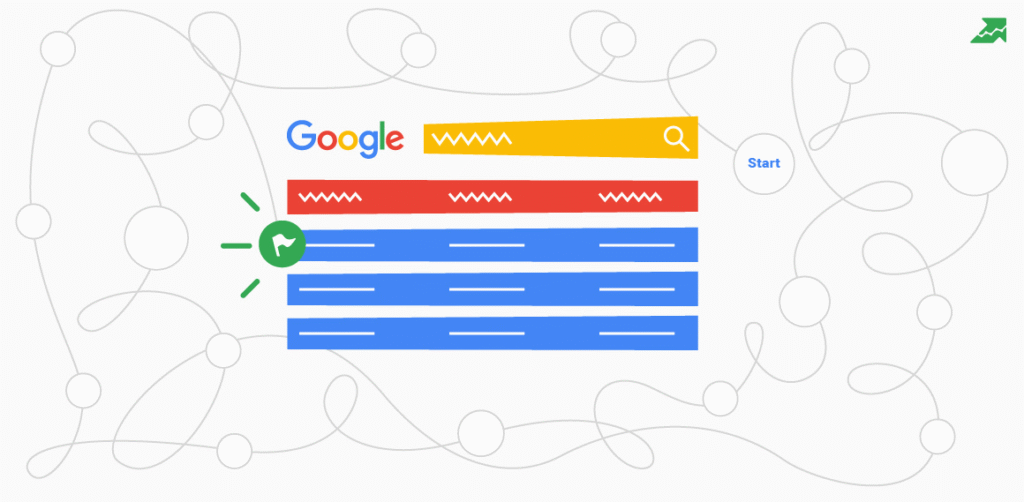
Google Ads allows contractors to place advertisements at the top of search results when someone searches for a specific service. For example, if a homeowner searches for “roof repair near me” or “HVAC installation in Los Angeles,” sponsored results often appear before organic listings.
These ads operate on a pay-per-click model, meaning businesses pay every time someone clicks the advertisement. The cost per click can vary depending on the competitiveness of the industry and the location.
In many contractor industries, clicks can range from $15 to over $60 per click, especially in competitive cities. Markets like Los Angeles, San Diego, New York, or Miami tend to have higher costs due to the large number of businesses competing for visibility.
The advantage of Google Ads is speed. Once a campaign is launched, ads can start appearing immediately, potentially generating inquiries within hours or days.
For contractors who need leads quickly — perhaps during a slow season or when launching a new service — Google Ads can provide fast exposure.
However, there are also important limitations to consider.
The Short-Term Nature of Paid Advertising
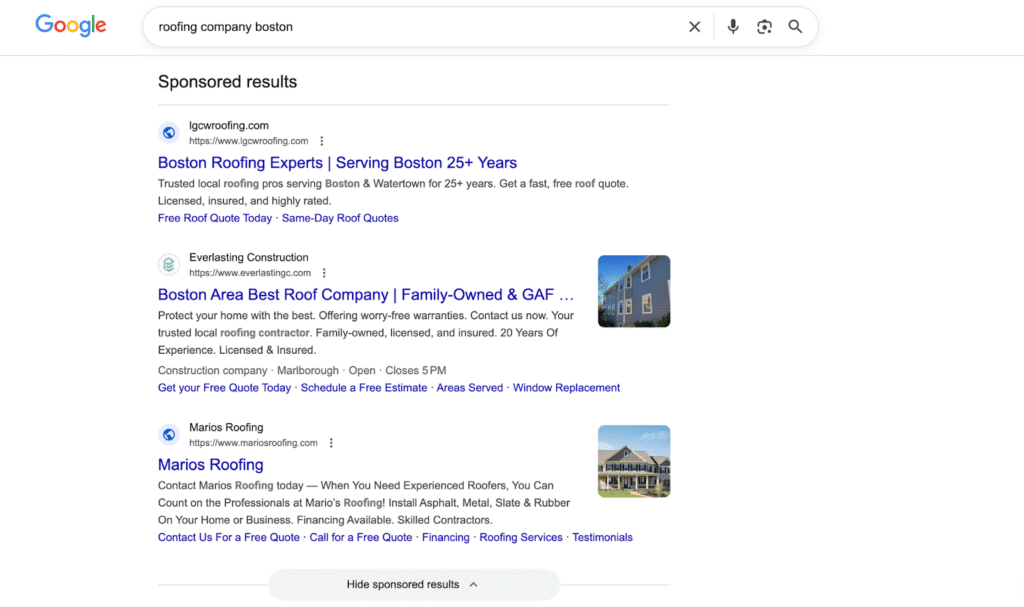
While Google Ads can generate quick traffic, it operates like a rental model rather than a long-term asset.
Every click costs money, and once the advertising budget stops, the visibility disappears immediately. Unlike organic rankings, which can continue generating traffic for months or years, paid ads require constant investment.
For example, a contractor running ads for HVAC services in Southern California might spend $2,000 to $5,000 per month depending on the competition and number of clicks required to generate leads.
If the campaign stops, the lead flow stops as well.
This is why many contractors eventually begin looking for more sustainable marketing channels that provide consistent visibility without ongoing advertising costs.
What Makes SEO Different
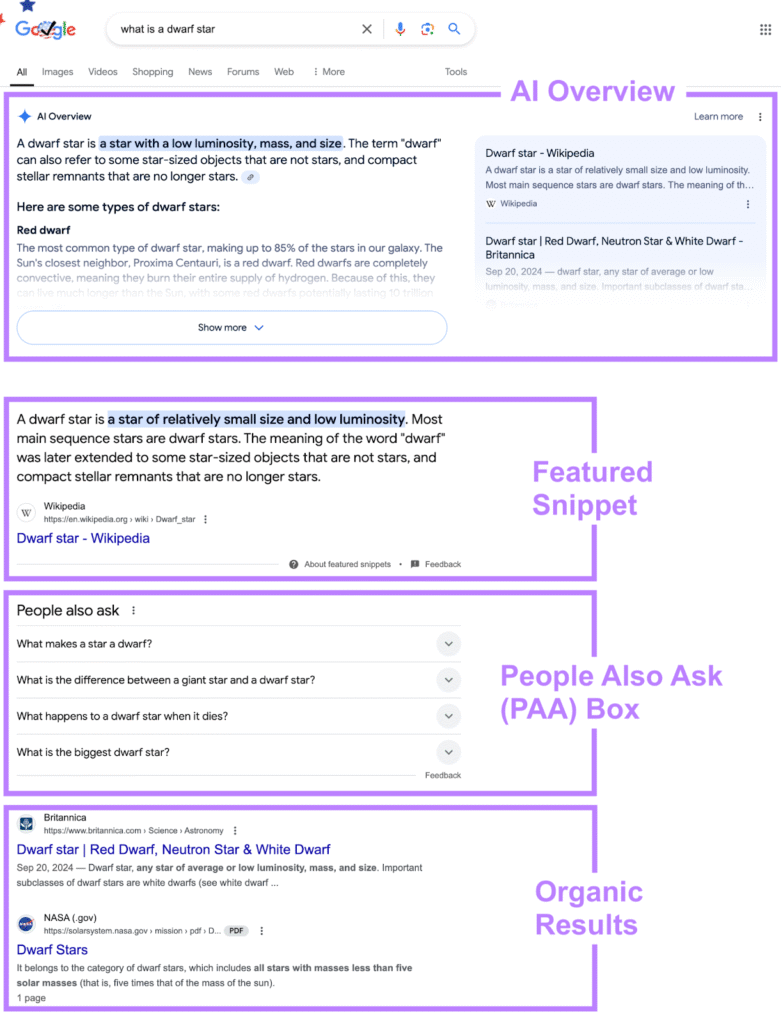
Search Engine Optimization works very differently from paid advertising. Instead of paying for visibility, SEO focuses on improving a website’s structure, content, and authority so it naturally appears in organic search results.
When someone searches for services like:
- roofing contractor in Orange County
- landscaping services in Tampa
- HVAC repair in New York
- solar installation in Southern California
Google analyzes many factors to determine which websites deserve to appear in those results.
These factors include:
- the relevance of the content
- the structure of the website
- local signals such as Google Business Profiles
- technical performance and mobile usability
- the overall authority of the website
When a website ranks organically, it can continue attracting visitors without paying for every click.
This is why many contractors view SEO as a long-term investment rather than a short-term marketing expense.
Why SEO Leads Often Convert Better
One major advantage of SEO is that organic visitors tend to trust the results they find.
Homeowners understand that paid advertisements appear because businesses are paying for placement. Organic listings, however, are perceived as recommendations from Google based on quality and relevance.
As a result, users often click organic results when they want to research a contractor more thoroughly.
A well-structured website that includes detailed service pages — for industries such as remodeling, roofing, landscaping, or electrical contracting — allows homeowners to learn more about the company before reaching out.
This process builds trust and often leads to higher-quality inquiries compared to quick clicks generated through advertising.
Contractors who invest in strong website content frequently notice that organic leads tend to ask more informed questions and are more prepared to move forward with projects.
The Role of Local SEO for Contractors

Another major advantage of SEO for contractors is the impact of local search results.
When homeowners search for services in their area, Google often displays a map with nearby businesses. These listings are connected to Google Business Profiles and play a critical role in local visibility.
For contractors operating in cities such as Los Angeles, Anaheim, Irvine, San Diego, Tampa, or New York, appearing in these local results can generate a steady stream of calls.
Local SEO involves optimizing elements such as:
- service area references on the website
- consistent business information across platforms
- customer reviews and ratings
- structured website architecture for local services
When these elements are properly implemented, contractors can compete effectively even in busy markets.
The Long-Term Compounding Effect of SEO
One of the most powerful aspects of SEO is its compounding impact over time.
Each new service page, blog article, or improvement to the website adds another opportunity for search engines to understand the business and match it with relevant searches.
For example, a contractor specializing in landscaping might publish pages about:
- outdoor design
- irrigation systems
- hardscaping installations
- seasonal landscape maintenance
Over time, these pages begin attracting visitors searching for specific services. As the website gains authority, it becomes easier to rank for additional keywords and locations.
This gradual growth can transform a website from a simple online brochure into a consistent lead generation engine.
Unlike advertising campaigns that stop producing results when the budget ends, SEO assets continue working long after they are created.
When Google Ads Still Makes Sense
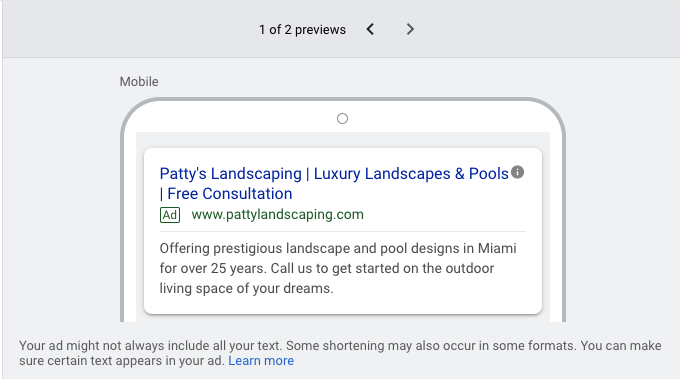
Although SEO offers long-term benefits, Google Ads still plays an important role in certain situations.
Contractors may use advertising to:
- generate immediate leads while SEO efforts develop
- promote seasonal services
- test new markets or service offerings
- increase visibility during busy competition periods
For example, an HVAC contractor in Tampa might run ads during peak summer months when homeowners urgently need air conditioning repairs. Similarly, a roofing company might use ads after major storms when demand increases suddenly.
In these scenarios, Google Ads provides a way to capture urgent demand quickly.
The key is understanding that advertising works best as a supplement to a broader marketing strategy, rather than the only source of leads.
Why Many Contractors Combine Both Strategies
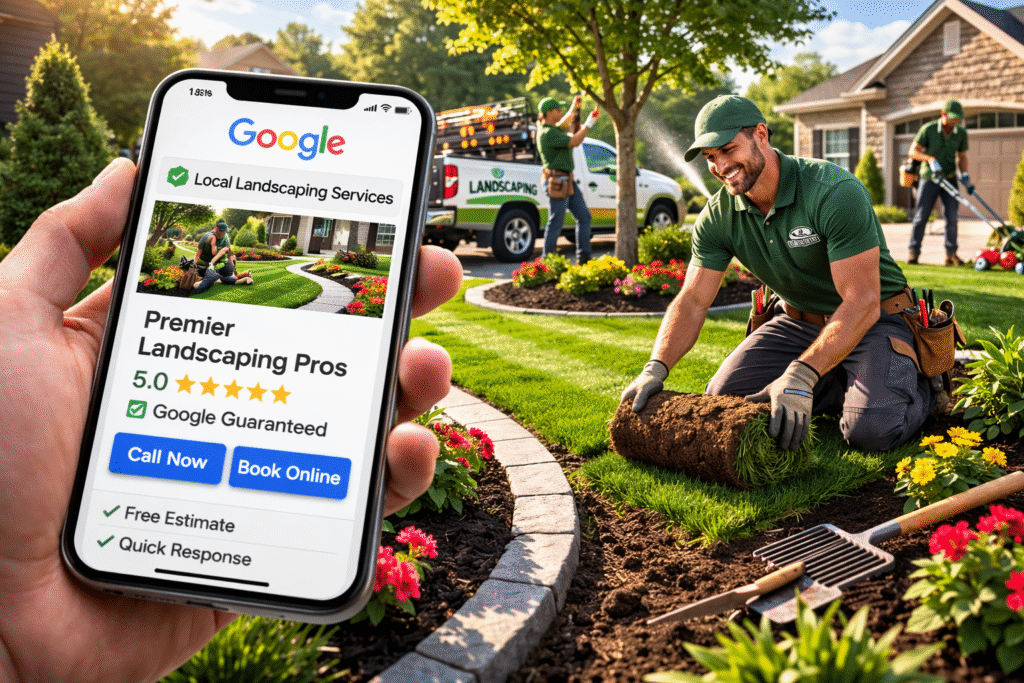
The most effective contractor marketing strategies often combine both SEO and Google Ads.
Advertising can provide immediate visibility while SEO builds long-term authority.
For example:
- Google Ads generates leads in the short term
- SEO gradually builds organic rankings and local visibility
- strong website structure improves both strategies
Over time, the goal is for SEO to generate an increasing portion of leads so the business becomes less dependent on advertising costs.
This balanced approach helps contractors maintain steady growth while controlling marketing expenses.
Choosing the Right Strategy for Your Business
For contractors evaluating their marketing options, the decision between SEO and Google Ads often comes down to timeline and budget.
Businesses that need immediate visibility may begin with advertising campaigns. However, those looking to build sustainable lead generation typically invest in improving their website, local SEO presence, and online authority.
Contractors in industries such as HVAC, landscaping, roofing, remodeling, solar installation, and electrical services often see the strongest results when their website becomes a reliable resource for homeowners searching online.
Over time, SEO can transform a contractor’s digital presence from a passive website into a powerful marketing foundation.
The Long-Term Perspective
Marketing strategies that rely solely on advertising can become expensive over time. While paid campaigns provide quick visibility, they rarely create lasting digital assets.
SEO, on the other hand, focuses on building credibility and visibility that grows over time. As the website gains authority and trust with search engines, it becomes easier to attract consistent traffic and inquiries.
For contractors operating in competitive regions such as Southern California, New York, Tampa, and other growing markets, investing in long-term search visibility can create a significant advantage.
When done correctly, SEO allows businesses to generate leads continuously — not just when advertisements are running.
In the end, the goal is not simply to appear on Google for a short period of time, but to build a presence that keeps working for the business for years to come.