
In industries like construction, custom home building, and interior design, marketing is no longer driven purely by referrals. While word-of-mouth still plays a role, most high-value clients now begin their journey online — researching ideas, comparing companies, and evaluating credibility before reaching out.
This shift has made SEO and digital visibility essential.
Whether you’re a contractor in Miami, a custom home builder in Long Island, or an interior designer in Southern California, your ability to appear in search results directly impacts the quality and consistency of your leads. However, simply having a website is not enough. The structure, performance, and strategy behind that website determine whether it becomes a growth asset or just a digital brochure.
This guide breaks down how SEO works across construction-related industries, common website issues that limit growth, and how to balance SEO with Google Ads for long-term success.
How Clients Search in Construction & Design Industries
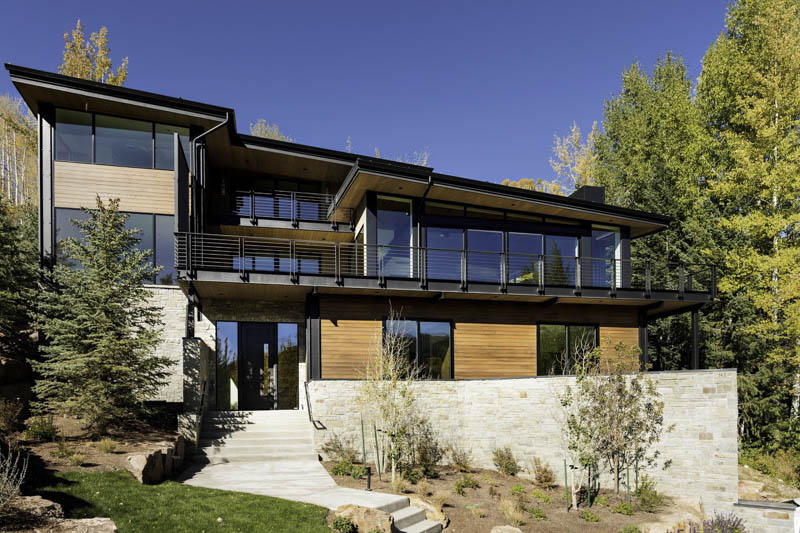
Unlike e-commerce or impulse-driven industries, construction and design services involve longer decision cycles. Clients don’t make quick choices — they research, compare, and evaluate.
A typical search journey looks like this:
- Early stage: “modern home design ideas,” “cost of building a custom home”
- Mid stage: “custom home builders Long Island,” “interior designers Miami”
- Decision stage: “design-build firm near me,” “luxury home builder consultation”
Each stage represents a different level of intent.
SEO allows your business to appear across all of these stages, building familiarity and trust over time. If your brand only shows up at the final stage, you’re competing against businesses that have already been seen multiple times.
SEO for Construction Companies & Builders
For construction companies and custom luxury builders, SEO is less about volume and more about positioning.
High-value projects don’t come from random traffic — they come from visibility in the right searches. This includes:
- Service-based keywords (custom home builders, remodeling contractors)
- Location-based searches (Long Island builders, Miami contractors, SoCal construction firms)
- Project-specific searches (luxury homes, design-build projects, renovations)
A strong SEO strategy ensures your website reflects the scale and quality of your work while ranking for terms that align with your business.
Key focus areas include:
- Building structured service pages for each offering
- Creating location-specific pages for target markets
- Showcasing past projects with detailed content
- Optimizing site performance for better rankings
SEO for Interior Designers & Related Services
Interior designers operate slightly differently but are equally dependent on visibility.
Clients often search for inspiration before selecting a designer. This creates opportunities to rank for both informational and service-based queries, such as:
- “modern luxury interior design ideas”
- “interior designers in Orange County”
- “high-end home interiors Miami”
For interior designers, SEO works best when content and visuals are combined. This includes:
- Portfolio-driven pages optimized for search
- Blog content around design trends and ideas
- Location-specific landing pages
- Strong internal linking between services and projects
When aligned correctly, SEO allows designers to attract clients who are already aligned with their aesthetic and pricing level.
Common Website Issues That Limit Growth
One of the biggest reasons SEO fails in construction and design industries is not strategy — it’s the website itself.
Even businesses with strong services struggle because their websites don’t support SEO effectively.
Common issues include:
- Poor structure: No clear service or location pages
- Weak content: Generic or thin information that doesn’t build authority
- Slow performance: Long load times affecting rankings and user experience
- No internal linking: Pages exist but don’t support each other
- Lack of trust signals: Missing projects, testimonials, or detailed case studies
In markets like Southern California or Long Island, where competition is high, these issues can completely block visibility regardless of budget.
Fixing the website is often the first step before any SEO strategy can succeed.
Understanding Traffic vs Lead Quality
A common misconception is that more traffic equals better results.
In reality, especially for builders and designers, traffic quality matters more than quantity.
For example:
- 500 visitors from broad keywords may generate low-quality leads
- 100 visitors from high-intent searches may generate serious inquiries
SEO should focus on attracting:
- Homeowners actively planning projects
- Clients researching builders or designers
- Users searching in specific geographic markets
This approach leads to fewer but significantly higher-value leads — which is exactly what these industries need.
SEO vs Google Ads: What Works Better?
This is one of the most common questions.
Google Ads
Pros:
- Immediate visibility
- Quick lead generation
- Good for testing markets
Cons:
- Expensive in competitive regions (SoCal, Miami, NY)
- Lead quality can be inconsistent
- Stops working when you stop spending
SEO
Pros:
- Long-term visibility
- Higher trust and credibility
- Better lead quality over time
- Compounding growth
Cons:
- Takes time to build
- Requires structured strategy
The Right Approach
The best strategy is not choosing one over the other — it’s understanding their role.
- Use Google Ads for short-term visibility
- Build SEO for long-term authority and consistent leads
Over time, SEO reduces reliance on paid ads and improves overall marketing efficiency.
Location-Based SEO: SoCal, Long Island & Miami
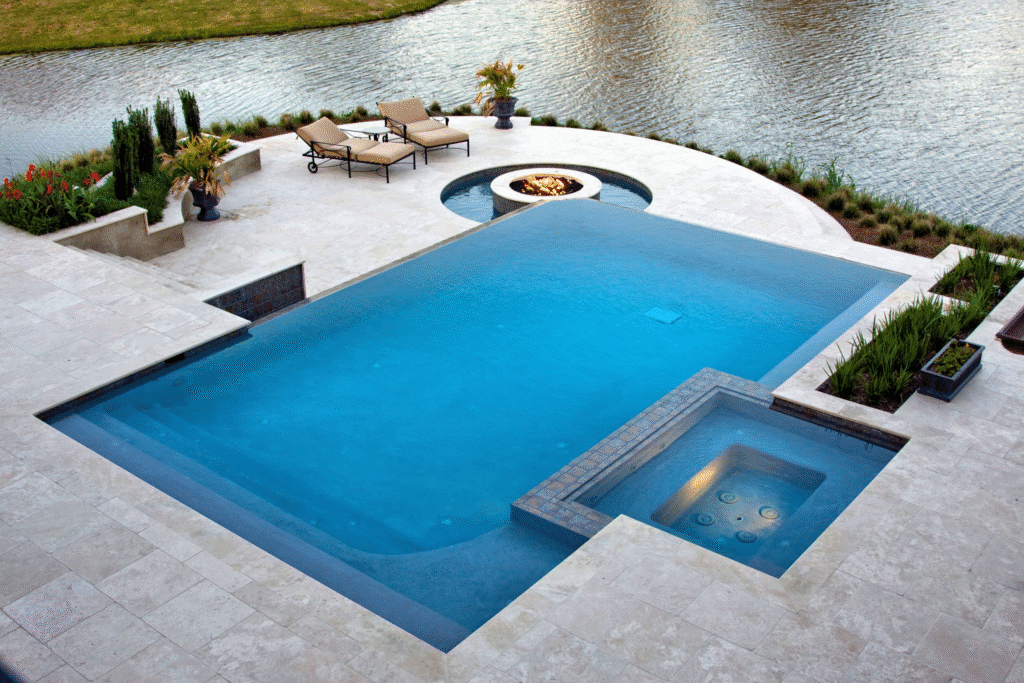
Geography plays a major role in construction and design SEO.
Southern California (SoCal)
Highly competitive, design-driven market where branding and positioning matter as much as rankings. Strong SEO here requires:
- High-quality content
- Premium website design
- Targeting affluent areas
Long Island & New York
Dense market with strong demand and high search volume. Success depends on:
- Location-specific pages
- Authority signals
- Consistent visibility across searches
Miami & South Florida
Growing market with increasing demand for luxury construction and design services. Opportunities include:
- Emerging neighborhoods
- Design-focused projects
- Lifestyle-driven searches
Targeting these regions effectively allows businesses to tap into high-value opportunities while building strong local authority.
Building a Sustainable SEO Strategy
For construction companies, builders, and interior designers, SEO should not be treated as a short-term tactic.
A sustainable strategy includes:
- Continuous content development
- Expansion into new locations
- Regular technical improvements
- Ongoing performance tracking
Over time, this creates a system where your website consistently attracts qualified leads without relying entirely on external channels.
Conclusion
SEO has become a foundational part of online marketing for construction companies, builders, and interior designers. It aligns directly with how clients search, evaluate, and choose service providers in these industries.
By addressing website issues, focusing on high-intent traffic, and building visibility across key markets like Southern California, Long Island, and Miami, businesses can create a steady flow of qualified opportunities.
When combined with the right balance of paid advertising and long-term SEO strategy, your website transforms from a passive presence into an active growth engine.