
For many contractors and home service businesses, the website was built with good intentions — but very little strategy. A designer may have created a few pages, the company name appears on Google, and there might even be a contact form. Yet months or years later, the website still doesn’t generate consistent calls or quote requests.
This situation is extremely common across industries such as HVAC, roofing, landscaping, electrical contracting, remodeling, solar installation, and wellness clinics. Business owners often assume that simply having a website is enough to appear in search results. In reality, ranking on Google requires a much deeper structure that aligns with how people search for services.

In competitive markets like Southern California, New York, Tampa, or Chicago, hundreds of contractors may offer similar services. Without the right website architecture, even a well-designed website can remain invisible to potential customers. The good news is that the problem is usually not the business itself — it’s the strategy behind the website.
Below are the most common reasons contractor websites fail to rank on Google, and what can be done to fix them.
1. Weak Service Page Structure
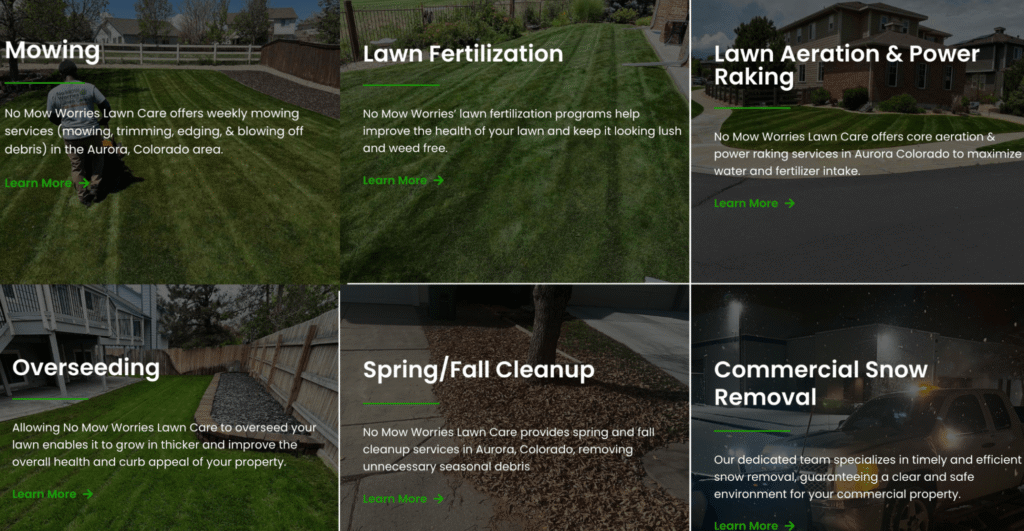
One of the biggest issues is that contractor websites often have very few service pages. Many sites rely on a single “Services” page that lists everything from roofing to remodeling to landscaping.
Google prefers clear, focused pages that explain one service in detail. For example, instead of combining everything together, a website should have dedicated pages such as:
- HVAC installation and repair
- Roofing services
- Landscaping and outdoor design
- Kitchen or home remodeling
- Solar panel installation
- Electrical services
Each service page allows the website to target specific searches customers are making. When a homeowner searches for “landscaping services in Orange County” or “HVAC repair in Tampa,” Google is more likely to rank a website that has a detailed page about that service.
Without this structure, the website becomes difficult for search engines to understand.
2. No Local SEO Strategy
Contractor businesses operate locally, which means their SEO strategy must also be local. However, many websites are built with generic content that never mentions the areas where the company actually works.
For example, a contractor in Southern California might serve cities like Los Angeles, Anaheim, Irvine, or San Diego. A contractor in New York may work across Manhattan, Brooklyn, or nearby regions. If the website does not mention these areas naturally within the content, Google has very little context to show the site to local customers.
Local SEO strategies typically involve:
- creating location-focused content
- referencing the service areas throughout the website
- building pages that align with regional markets
- optimizing the Google Business Profile listing
These elements help search engines connect the business with nearby searches.
3. Underdeveloped Google Business Profiles
Another reason contractor websites fail to rank is because their Google Business Profile is either incomplete or poorly optimized.

For home service businesses, Google Maps visibility can often be just as important as traditional search results. When someone searches for services like “roofing contractor near me” or “electrician in Orange County,” Google frequently displays map listings before organic websites.
A properly optimized Google Business Profile should include:
- accurate business categories
- detailed service descriptions
- service area coverage
- high-quality images
- regular updates or posts
- consistent reviews
Without these signals, Google may struggle to trust or prioritize the business in local search results.
4. Thin Website Content
Many contractor websites contain very little information. The homepage might have a few paragraphs about the company and a short list of services, but that’s often where the content ends.
Search engines prefer websites that demonstrate expertise. This doesn’t mean writing unnecessary filler content. Instead, the goal is to clearly explain:
- what services the business offers
- how projects are completed
- what makes the company different
- how customers benefit from those services
Industries such as HVAC, landscaping, roofing, remodeling, and solar installation often have unique considerations that homeowners care about. Explaining these topics naturally helps search engines recognize the website as a valuable resource.
5. Poor Website Architecture
A well-performing contractor website should be organized in a way that makes it easy for both users and search engines to navigate.
Many websites are built without a clear structure. Important pages may be buried in menus, internal links are missing, and service categories are difficult to follow.
A stronger structure usually includes:
- a clear hierarchy of services
- internal links connecting related pages
- logical navigation that guides visitors through the site
- conversion-focused sections such as estimate requests or consultation forms
For example, a remodeling contractor might have a main remodeling page that connects to kitchen remodeling, bathroom remodeling, and full home renovation pages. This type of architecture signals topical authority to Google.
6. Over-Reliance on Cheap SEO Packages
Another common problem is that contractors invest in extremely low-cost SEO packages that promise quick rankings. These packages often rely on outdated tactics such as automated backlinks, copied content, or generic directory submissions.
While these methods may create short-term activity, they rarely produce sustainable results.
Search engines have become much better at identifying shallow SEO tactics. Businesses that rely on these shortcuts often see little improvement in their rankings, and sometimes even lose visibility over time.
A more effective approach focuses on long-term credibility, including:
- well-written service pages
- thoughtful website architecture
- local authority signals
- consistent technical improvements
7. Website Design That Hurts Conversions
Even if a website manages to attract visitors, poor design can prevent those visitors from becoming leads.
Contractor websites should be designed with clear calls to action such as:
- request an estimate
- schedule a consultation
- call for service
- submit project details
In addition, the website should load quickly, display properly on mobile devices, and guide visitors toward contacting the business.
Many older contractor websites were built years ago and never updated. Modern search visibility increasingly depends on both technical performance and user experience.
How a Structured SEO Strategy Fixes These Problems
The contractors who successfully rank on Google typically approach their websites as long-term business assets. Instead of relying on a single page or generic marketing tactics, they develop a clear strategy that includes:
- dedicated service pages for each major offering
- local market references for cities and regions
- strong Google Business Profile management
- thoughtful website architecture
- educational blog content addressing common customer questions
This strategy allows search engines to better understand the business and match it with the right searches.
For example, a landscaping contractor serving Southern California may target searches related to outdoor design, irrigation systems, or hardscaping projects across areas like Orange County or Los Angeles. A wellness clinic in New York might focus on location-specific services and treatment pages that align with local demand.
Over time, this structured approach helps businesses earn trust with search engines while also improving the experience for potential customers.
The Long-Term Opportunity for Contractors
The reality is that many contractor websites still struggle with basic SEO fundamentals. This creates an opportunity for businesses willing to invest in better website structure, stronger local visibility, and more helpful content.
When these elements work together, a contractor website can gradually become a reliable source of leads rather than just an online brochure.
Instead of depending entirely on paid advertising, companies can build sustainable search visibility that continues generating calls and consultation requests month after month.
For contractors operating in competitive regions like Southern California, New York, Tampa, and other growing markets, the businesses that invest in stronger digital foundations today will often be the ones dominating search results in the years ahead.