For many local businesses, the first step into local SEO begins with setting up a Google Business Profile (GBP). Owners often assume that once the listing is verified and visible on Google Maps, customers will naturally start calling, visiting the website, or requesting quotes.
But the reality is different.
Many businesses see numbers like 50–100 impressions, sometimes even hundreds, yet they receive little to no calls or website visits. This can be confusing. If people are seeing the listing, why aren’t they contacting the business?
The answer lies in how local search visibility and conversion work together. Impressions alone do not guarantee business results. What matters is whether your profile appears in the right searches, communicates credibility, and gives potential customers a clear reason to contact you.
Understanding how Google Business Profile actually works can help local businesses turn basic visibility into consistent inquiries and real leads.
Understanding What Google Business Profile Impressions Actually Mean
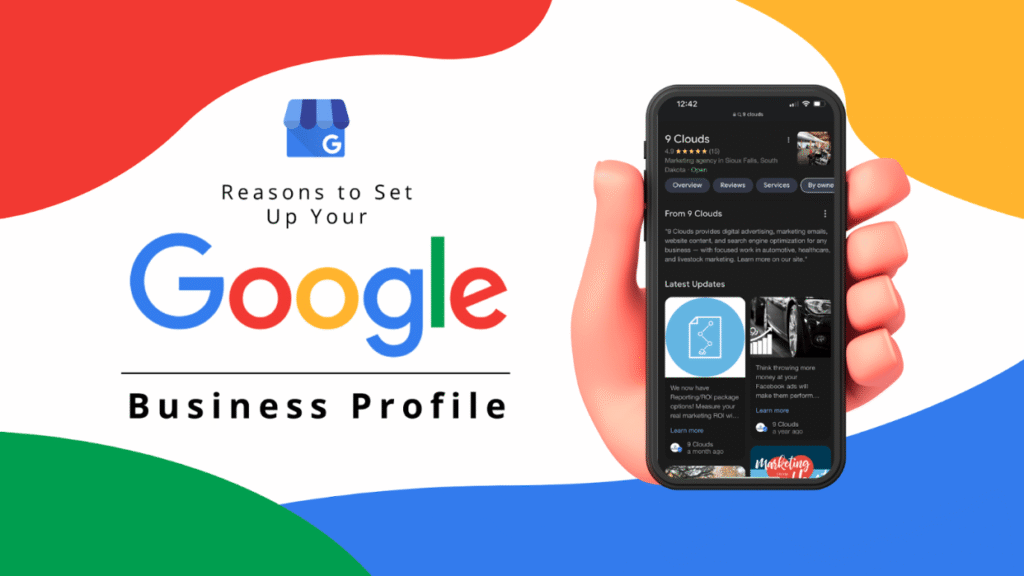
An impression simply means your business listing appeared somewhere in a search result. This could include:
- Google Maps results
- Local pack listings (the map section on search results)
- Branded searches for your business name
- Related searches for services in your area
However, an impression does not necessarily mean the user saw your business prominently. In many cases, listings appear near the bottom of the map results or in less visible positions.
For example:
A roofing company in New Jersey might show up for a search like “roof repair near me”, but if the listing appears 7th or 8th in the map results, most users will never click it.
Similarly, a landscaping business in Southern California might technically receive impressions for searches like “landscaping services Orange County”, but without strong profile signals, it may not appear in the top three listings where most clicks occur.
So while impressions are useful as a baseline metric, they should not be confused with actual local search visibility.
The Most Common Google Business Profile Mistakes
Many local businesses unknowingly make mistakes that limit how their profiles perform in search results. These issues are extremely common among service businesses such as contractors, landscapers, and roofing companies.
1. Incomplete Business Information
One of the simplest but most damaging issues is incomplete profile information.
Google relies on details such as:
- Business categories
- Services offered
- Business description
- Service areas
- Contact information
If these fields are missing or poorly written, Google has less information to understand what the business actually does.
For example, a contractor who simply lists their category as “Contractor” may struggle to rank compared to a business that specifies:
- Roofing contractor
- Roof repair service
- Residential roofing company
The more accurately Google understands the business, the easier it becomes to match the listing with relevant searches.
2. Weak Business Descriptions
Many businesses leave the description section blank or write a single generic sentence.
A strong description should help Google understand:
- What services you provide
- What areas you serve
- What type of customers you help
For instance, instead of writing:
“We provide roofing services.”
A stronger description would explain:
“Residential and commercial roofing contractor specializing in roof repairs, replacements, and storm damage restoration for homeowners throughout Northern New Jersey.”
This adds location signals, service keywords, and clarity.
3. Lack of Real Photos
Google strongly favors businesses that upload authentic photos showing real work.
Contractors, landscapers, and roofing companies can benefit significantly from uploading:
- Before and after project photos
- Work-in-progress job site photos
- Equipment and team photos
- Finished installations
These photos serve two purposes:
- They increase trust with potential customers
- They give Google additional signals about the business activity
Listings with frequent photo updates often appear more active and credible.
4. Missing Service Listings
Many service businesses forget to add detailed service categories inside their Google Business Profile.
For example, a landscaping company may offer:
- Lawn installation
- Irrigation systems
- Landscape design
- Hardscaping
If only “Landscaper” is listed, Google cannot fully understand the range of services offered.
Adding individual services improves the chances of appearing in searches such as:
- “Landscape design near me”
- “Irrigation repair Miami”
- “Hardscape contractor Orange County”
5. Inconsistent Local Signals
Google relies heavily on consistent local information across the web.
This includes:
- Business name
- Address or service area
- Phone number
- Website
If different directories show different details, Google may struggle to trust the information.
For example:
A roofing company listed with one phone number on its website and a different number on its Google listing may experience weaker ranking signals.
Consistency builds credibility.
Why Some Businesses Rank Higher in Local Maps
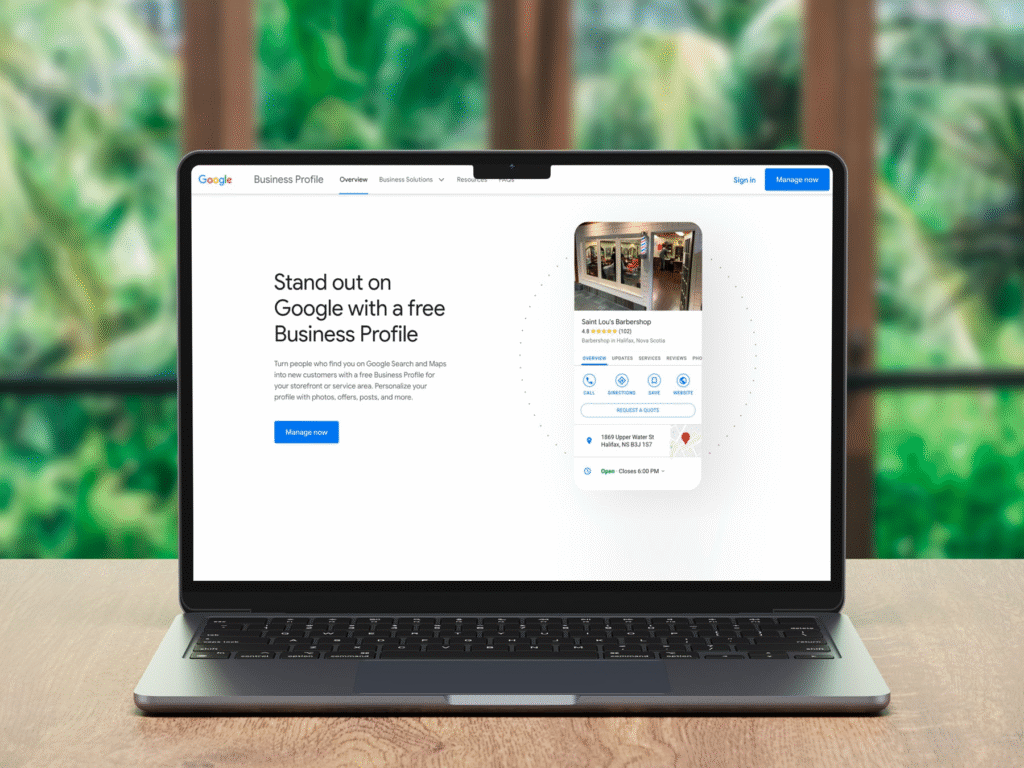
Businesses that consistently appear in the top results usually have a combination of three factors:
- Relevance
- Distance
- Prominence
These factors determine how Google decides which businesses appear first.
Relevance
Does the business clearly match the search query?
For example, if someone searches “roof leak repair Miami”, a profile optimized for roof repair services is more likely to appear.
Distance
How close the business is to the search location.
For service businesses, defining clear service areas helps Google understand where you operate.
Prominence
This includes signals such as:
- Website authority
- Online reviews
- Local citations
- Brand mentions
- Business activity
Prominence is often where many businesses fall behind.
The Missing Link: Website + Google Business Profile
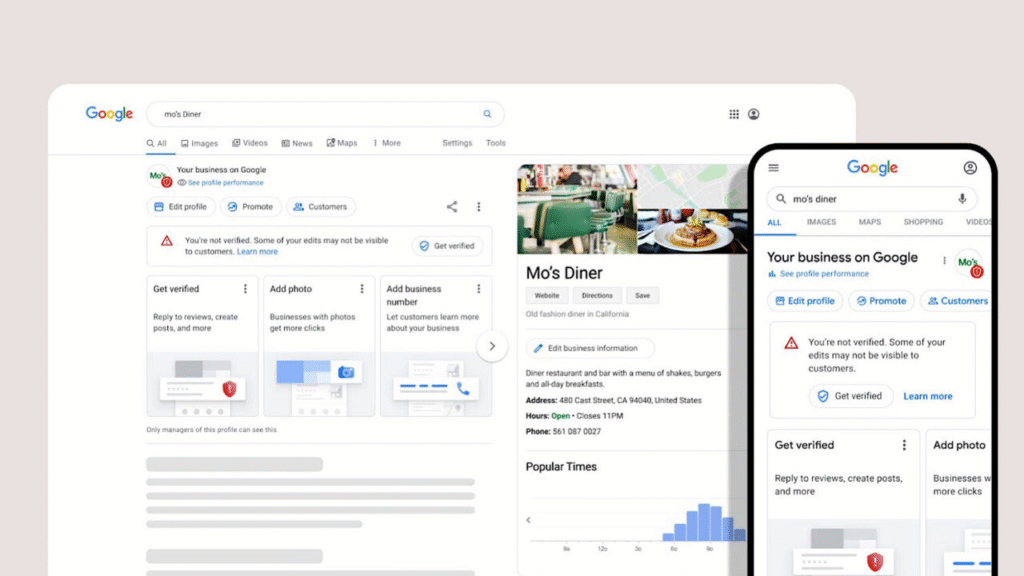
One major misunderstanding about local SEO is believing that the Google Business Profile alone drives rankings.
In reality, Google often evaluates the website connected to the listing to determine authority.
A contractor with a strong website that includes pages like:
- Roofing services in New Jersey
- Landscape installation in Orange County
- HVAC services in Miami
will usually perform better than a business relying only on the profile itself.
This is why successful local businesses align:
- Google Business Profile
- Website structure
- Local service pages
into a single strategy.
What Local Businesses Often Get Wrong About SEO
Many businesses expect instant results from SEO, but local search visibility usually grows through steady improvements.
Common misconceptions include:
• Expecting rankings immediately after creating a profile
• Ignoring the importance of website structure
• Not uploading new photos or updates
• Leaving service descriptions too vague
• Treating SEO as a one-time setup rather than an ongoing process
In highly competitive markets like New York, Southern California, Miami, or New Jersey, local search competition is strong. Businesses that regularly update their listings, maintain strong websites, and collect reviews tend to outperform competitors over time.
Building Sustainable Local Visibility
The goal of local SEO is not simply to appear in search results occasionally.
Instead, the objective is consistent visibility for relevant searches.
When businesses align their website, Google Business Profile, and service pages correctly, the results often include:
- Higher placement in map results
- Increased website visits
- More direct phone calls
- Better conversion from search traffic
For contractors, landscapers, roofing companies, and other service businesses, this visibility often translates into steady inquiries from homeowners actively searching for services.
Final Thoughts
Google Business Profile is one of the most powerful tools available for local businesses, but it works best when combined with a clear digital strategy.
Impressions alone are just the beginning.
When a profile is optimized correctly, supported by a strong website, and aligned with real customer search behavior, it becomes a reliable source of visibility and lead generation.
For businesses operating in competitive regions like New York, Southern California, Miami, or New Jersey, investing in a structured local SEO strategy can be the difference between occasional visibility and consistent growth.