Many businesses approach SEO with the assumption that improving rankings simply requires adding keywords, publishing blog posts, or building backlinks. While those elements certainly play a role, they often overlook a critical reality: SEO works best when the website itself is structurally prepared for it.
In practice, a large number of websites—especially those belonging to service businesses such as HVAC companies, luxury landscaping firms, aesthetic clinics, and contractors—are built without long-term search performance in mind. Over time, as companies try to add new services, update content, or improve visibility, they often discover that the existing website structure becomes a limitation rather than an asset.
In those situations, incremental SEO improvements may not be enough. What the website actually needs is a strategic redesign aligned with SEO from the ground up.
A WordPress redesign for SEO is not just about updating the appearance of a site. It is a carefully planned process that improves structure, usability, search visibility, and conversion performance—allowing the website to function as a long-term growth asset rather than just a digital brochure.
Why Many Websites Struggle With SEO Performance
When businesses invest in SEO but see limited results, the issue often lies within the website’s underlying structure.
Many websites were originally created with a focus on aesthetics or basic functionality rather than search visibility and user experience. Over time, this leads to common issues such as:
- Poor navigation structures
- Missing or incomplete service pages
- Weak internal linking
- Limited scalability for new content
- Slow page performance
- Confusing mobile experiences
For example, a landscaping company serving multiple cities might have a single generic services page, even though potential clients are searching for terms like:
- “Luxury landscaping design Orange County”
- “Outdoor kitchen contractor Newport Beach”
- “Landscape installation Irvine”
Without properly structured pages aligned with those search behaviors, the website struggles to rank effectively—even if the business offers the right services.
In these situations, SEO alone cannot solve the underlying structural limitations. The site itself must be rebuilt with search strategy integrated into the design.
What Makes WordPress Ideal for SEO-Focused Redesigns
WordPress has become one of the most widely used platforms for professional websites, particularly for service businesses and growing companies.
One reason for this popularity is its flexibility. WordPress allows developers and SEO consultants to build websites that are:
- Highly customizable
- SEO-friendly
- Scalable for future growth
- Compatible with modern performance standards
When implemented properly, a WordPress website can support advanced SEO strategies such as:
- structured service pages
- location-specific content
- optimized page architecture
- strong internal linking systems
- scalable blog and content hubs
However, these benefits only materialize when the site is built strategically from the beginning. A poorly structured WordPress site can face the same limitations as any other platform.
This is why a WordPress redesign focused on SEO strategy often produces better long-term results than attempting to optimize an outdated site structure.
The SEO-First Website Redesign Process
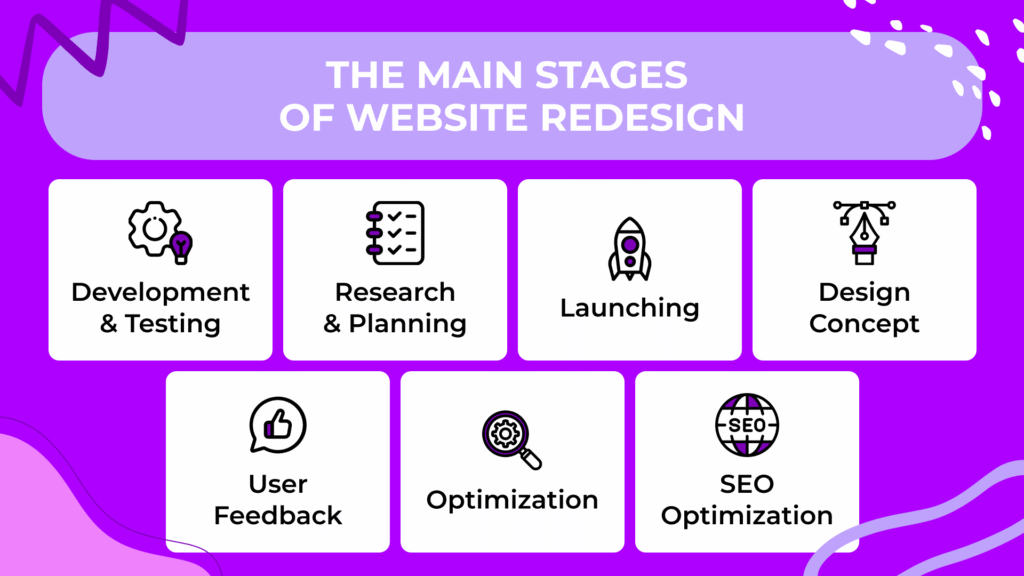
A successful website relaunch typically follows a structured process designed to align user experience, search visibility, and lead generation. Rather than jumping directly into design changes, the process begins with understanding how the existing website performs and where the opportunities lie.
1. Website and SEO Audit
The first stage of any redesign is a thorough audit.
This includes analyzing:
- existing site structure
- current keyword rankings
- traffic patterns
- page performance
- conversion pathways
- technical SEO issues
The goal is to identify what is working, what is missing, and where structural improvements can create the greatest impact.
In many cases, businesses discover that valuable opportunities are being missed simply because the website does not clearly represent the services they provide or the locations they serve.
2. UX and Structural Planning
Once the audit reveals the website’s limitations, the next step involves redesigning the site architecture.
This stage focuses on creating a structure that supports both user navigation and search engine understanding.
For service businesses, this often includes developing a hierarchy such as:
- core service pages
- industry-specific solutions
- location-based service pages
- resource or blog content
A well-organized site architecture helps both users and search engines understand the relationship between pages, which improves indexing and ranking potential.
At the same time, navigation must remain intuitive so visitors can easily find the information they need.
3. Wireframing and Figma Design

Before development begins, the website layout is often planned using wireframing tools such as Figma.
Wireframes help visualize how each page will present information, including:
- service descriptions
- trust signals
- calls to action
- supporting content
- imagery and project examples
This stage ensures that the final design supports both clarity and conversion. Instead of relying on templates that may not fit the business model, the design is tailored to guide visitors toward taking action.
For example, an HVAC website might highlight emergency service availability, while a luxury landscaping firm may emphasize project portfolios and consultation requests.
4. WordPress Development and Implementation
After the design is finalized, the development stage begins.
This phase transforms the planned structure and layout into a functional website built on WordPress.
Key considerations during development include:
- clean code and lightweight themes
- mobile responsiveness
- fast loading speeds
- proper heading structures
- SEO-friendly URLs
- optimized image handling
Technical performance is critical because slow or poorly structured websites often struggle to rank in competitive search results.
5. Content Integration and Keyword Mapping
Content plays a central role in how search engines understand a website’s purpose.
During a redesign, existing content is reviewed and reorganized while new pages may be created to target relevant search queries.
This process includes:
- mapping keywords to specific pages
- refining service descriptions
- improving headings and page titles
- ensuring content addresses real customer questions
For example, a contractor website might create dedicated pages for:
- kitchen remodeling
- bathroom renovations
- home additions
- exterior upgrades
Each page can then focus on the search terms most relevant to that service.
6. SEO Configuration and Optimization
Once the new site structure and content are in place, SEO configuration ensures the website is ready for indexing.
Important elements at this stage include:
- metadata optimization
- structured internal linking
- sitemap generation
- schema markup where appropriate
- redirect mapping from the previous website
Redirects are especially important during a redesign to prevent losing existing search rankings or traffic.
When handled correctly, the relaunch can preserve current visibility while creating new opportunities for growth.
7. Website Relaunch and Monitoring
The final stage is the public launch of the redesigned website.
However, relaunching the site is not the end of the process. Monitoring performance after launch is essential to ensure everything functions as expected.
This typically involves reviewing:
- indexing status in search engines
- page performance
- user engagement metrics
- conversion rates
- new ranking opportunities
Early adjustments during this phase help refine the site’s performance and maximize the impact of the redesign.
Why an SEO-First Redesign Improves Long-Term Results
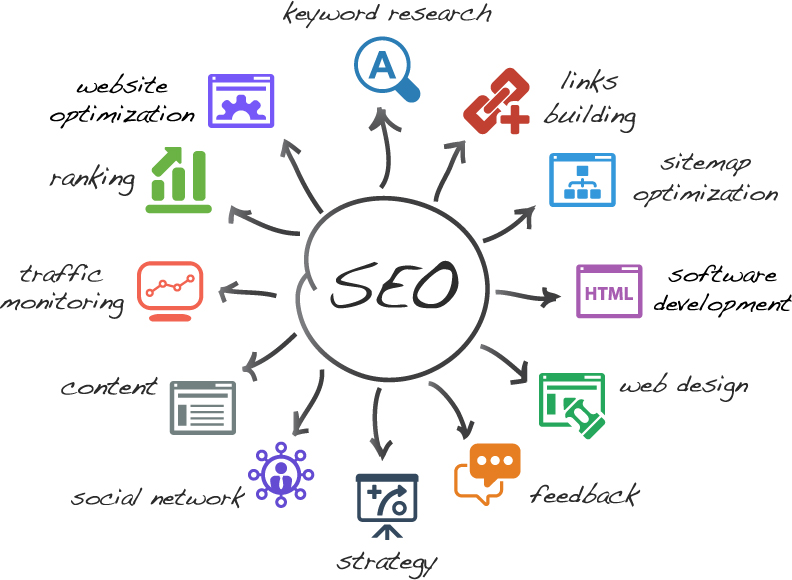
Businesses that invest in strategic redesigns often notice improvements in several key areas.
First, search engines can better understand the website’s structure, which increases the likelihood of ranking for relevant keywords.
Second, visitors find it easier to navigate the site and evaluate the services offered. Clearer messaging and stronger calls to action often increase inquiry rates.
Third, the website becomes more scalable. Instead of forcing new content into a rigid structure, businesses can expand their online presence with additional service pages, resources, or location-specific content.
These improvements turn the website into a platform capable of supporting long-term digital growth.
When a Business Should Consider a Website Redesign
Not every website needs a complete rebuild, but several indicators suggest that a redesign may be the most effective solution.
Businesses often consider a redesign when:
- the site is several years old and difficult to update
- service offerings have expanded beyond the original structure
- search rankings remain stagnant despite SEO efforts
- mobile usability is poor
- lead generation from the website is inconsistent
In these cases, investing in a strategic redesign can create a stronger foundation for future marketing efforts.
A Website Relaunch Is an Opportunity for Strategic Growth
A website redesign should never be viewed as merely a cosmetic update. When approached strategically, it becomes an opportunity to align design, content, and SEO into a cohesive system that supports business growth.
For service businesses competing in regional markets—from Southern California to Florida and the Northeast—this alignment is especially important. Search visibility, credibility, and user experience all influence whether potential clients choose to reach out or continue their search elsewhere.
A well-planned WordPress redesign ensures that the website not only looks modern but also performs effectively in search results and converts visitors into real inquiries.
When design, structure, and SEO work together, the result is more than just a new website—it is a platform built to support long-term visibility and client acquisition.